 🇲🇦 Moroccan Cuisine
🇲🇦 Moroccan Cuisine
🇲🇦 Moroccan Cuisine
The round, sesame-topped daily bread of Morocco — a tender, slightly chewy flatbread with a golden crust, baked in a wood-fired community oven or a home oven. The base of every Moroccan meal, the universal utensil.
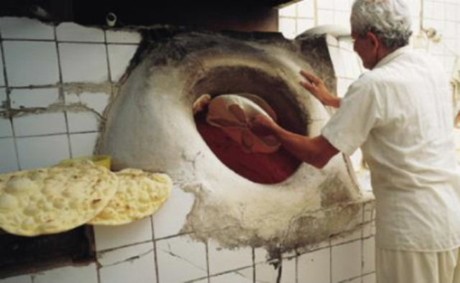
In every Moroccan medina, there is a farran — the neighborhood communal bread oven, wood-fired and tended from before dawn. Every morning, households mix their dough at home, shape it into the distinctive flat rounds, mark the top with a pattern that identifies whose loaf belongs to whom, and send it to the farran with a child or a neighbor. An hour later, the child returns with hot bread, the crust a deep amber, the interior soft and slightly chewy, smelling of wheat and smoke and the faint sweetness of sesame. This is khobz: the daily bread of Morocco. There is no Moroccan meal that does not involve bread. Khobz is the utensil as much as it is food — used to scoop tagine, to soak up olive oil and cumin, to wrap around a piece of kefta, to wipe clean a plate of zaalouk. In the absence of forks and knives at a traditional Moroccan table, khobz is everything. A meal with bad bread is a compromised meal; a meal with extraordinary bread, fresh from the farran, is already halfway to exceptional before the tagine arrives. The dough itself is simple: white flour (sometimes mixed with semolina for a slightly denser, nuttier result), yeast, salt, and water. The distinguishing features are the shape — a flat disc about 20 cm across and 2–3 cm thick, never tall or domed like European bread — and the sesame seeds scattered across the top that toast to fragrant gold in the oven. Some bakers poke a pattern with a fork or a chopstick across the top; others leave it plain. The crust should crack when you break it; the interior should tear in long, pulling strands. It goes stale within a day, which is why the morning trip to the farran is non-negotiable.
One email a week — a new dish, its story, and the culture behind it. Free forever.
You're in! 🎉 First edition next week.
Join FlavorBridge to explore authentic recipes from cultures around the world — with comments, ratings, and the stories behind every dish.
Open Interactive Recipe →