 🇸🇴 Somali Cuisine
🇸🇴 Somali Cuisine
🇸🇴 Somali Cuisine
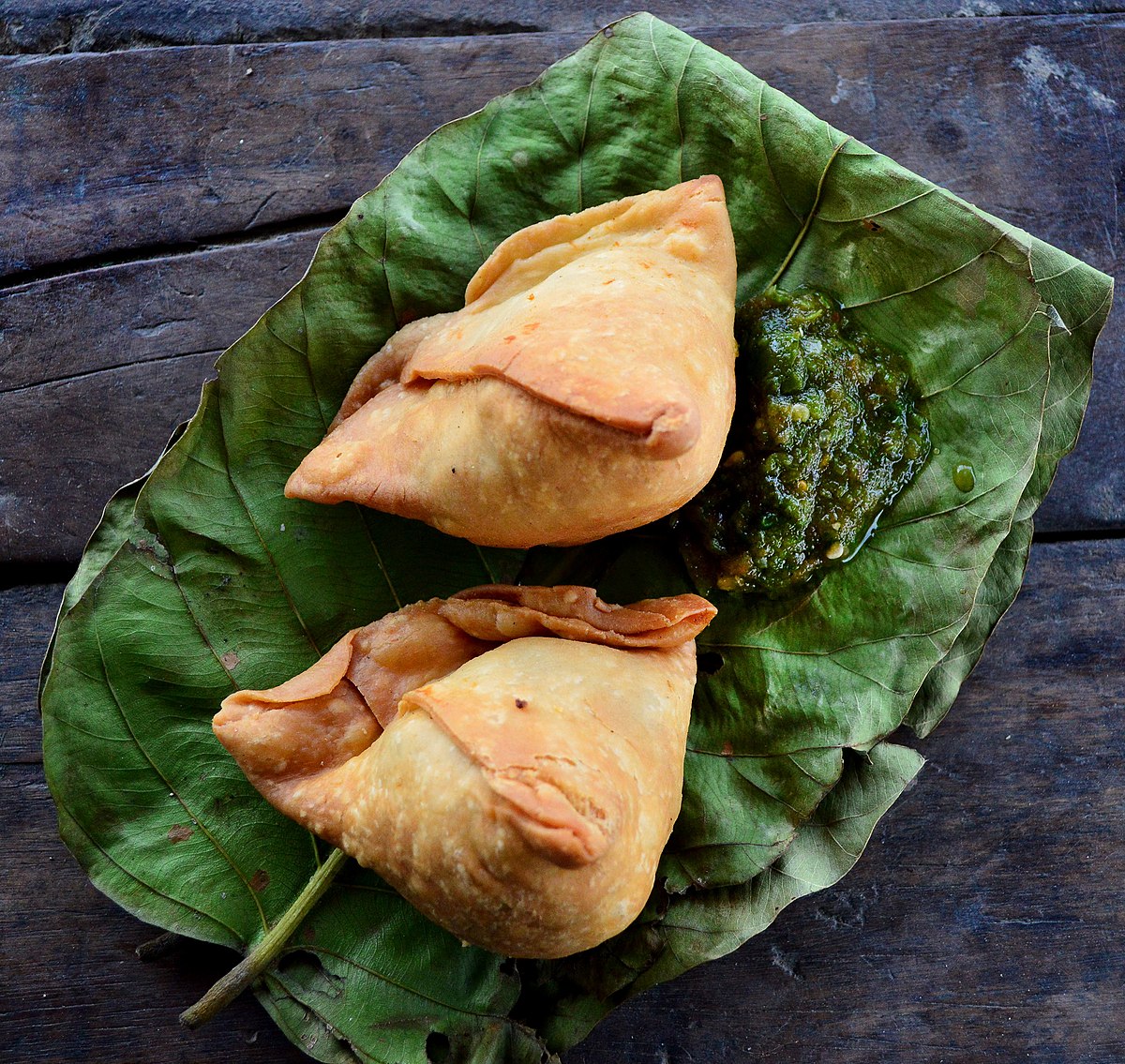
Somalia's beloved fried triangular pastry — crisp, paper-thin dough encasing spiced ground beef and onion with green chili, served hot with a fiery dipping sauce. The essential Ramadan snack, eaten at iftar across the Horn of Africa.
The sambuus arrived in the Horn of Africa along the ancient spice trade routes that connected the Somali coast to the Arab world, the Indian subcontinent, and the Persian Gulf. It is the Somali cousin of the Indian samosa and the Arabic sambusa, but it has become so thoroughly Somali — in its spicing, its thinner crisper dough, its ratio of meat to casing — that to call it merely a samosa would miss the point entirely. During Ramadan, sambuus is the first thing many Somali families eat at iftar, the breaking of the fast. Plates of them appear on dinner tables and at iftar stalls across Mogadishu, Hargeisa, Kismayo, and in Somali diaspora communities from Minneapolis to Nairobi to London. Children are designated the sambuus rollers in many households — the technique of folding the thin pastry strip into a cone, filling it, and sealing the final triangle is considered a learnable skill, a rite of kitchen passage. The filling is simple and precise: ground beef (or lamb), onion cooked until soft, green chili, and the Somali spice blend — cumin, coriander, and a warming combination that varies by family. The dough is thinner and crispier than the Indian version, achieved by rolling it extremely fine and frying at the right temperature. The result is a pastry that shatters at the first bite, releasing steam and the smell of spiced meat. Dipped into a sauce of blended cilantro, lime, and fresh chili, it is impossible to eat just one.
Join FlavorBridge to explore authentic recipes from cultures around the world — with comments, ratings, and the stories behind every dish.
Open Interactive Recipe →